Amazing facts of Indian Railways

Indian railways are one of the most fascinating things that can happen to our country. The heart of travelling from one place to another. Indian rail time table has all the details of every train that runs across the country, but there is also some interesting information, which can surprise one.

There are some amazing things that one should know about Indian railways.

The New Delhi-Bhopal Shatabdi Express is the fastest train that runs on the track. It completes the entire journey in 7 hours and 50 minutes by availing an average speed of 150 kilometer per hour.

The slowest train of India, on the other hand, is named as Metupalayam Ooty Nilgiri Passenger, which has a speed of only 10 kilometers per hour. For a short distance like 44 kilometers, it takes more than 4 hours.

Vivek Express from Dibrugarh to Kanyakumari travels the longest distance of around 5000 kilometers and takes a long time to cover the stretch.train-platform-information
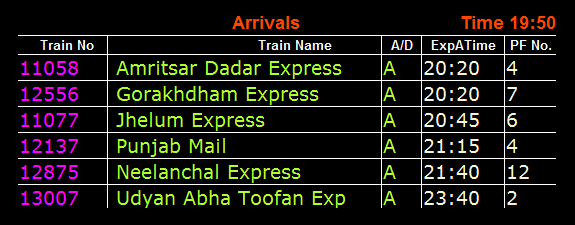
Have you heard a train with 115 halts or stoppages? Here it is. The Howrah- Amritsar Express stops more than it moves! It is followed by Delhi- Howrah Janata Express with 109 stoppages and Jammu Tawai- Sealdah Express with 99 halts.

There is a place in India that has two railway stations at same location with two different names. Surprised? Indeed an amazing fact to know. Srirampur and Belapur are the two station names in Ahmednagar district of Maharashtra, which has a same location.

The busiest railway station in India is Lucknow. Each day around 65 trains have a halt in this junction.

Lavatories in trains were first introduced in first class compartments in the year 1891, and later in 1907, it was built in all the compartments.

First air conditioned train that ran through the track was on 1874 in Great Indian Peninsular Railway.

India’s longest tunnel is the Pir Panjal Railway Tunnel, which is 11.25 kilometers long and is situated in Jammu and Kashmir.

In India, there are more than 7000 stations where more than 19,000 trains run every day. Among them, almost 12,000 trains are passenger trains and the others are forfeit.

Chhatrapati Shivaji Railway Station in Mumbai is the only terminus in the whole world which is listed as a monument of global heritage by UNESCO. This station caters around 33 million passengers every year.

The National Rail Museum is situated in Delhi, which was put up on 1977, is a very unique museum in Asia. It is spread over 11 acres of land and has a unique collection of steam engines, locomotives, carriages, photographs and other sensational things. The added good thing in this place is a toy train that runs round the museum and one can take a joy ride in it.

Delhi station has its name in the Guinness Book of World Record for having the world’s largest route of relay interlocking system.

These magical facts about Indian Railways are a matter of pride for all the Indians. One should know about these and boast it to the world.

Learn from others

India was once the owner of the largest railway networks in the world. But now it has lost its place to Japan. Now the question arises is why and how? The answer is very simple. The day to day mismanagement and regular accidents that are happening are claiming innocent lives in India. People are now worried to travel by train. India has more population, but no one is eager to travel by train nowadays. Even there is a question of comfort ability and safety. There are instances of robbery and burglary in the train at night. Trains get late to reach the destination. The absence of punctuality is another dreaded factor which is making Indian Railway suffers. We need to rectify these.

What are the ways to come out from this dead end? There is a solution to every difficulty. Japan has fewer trains and tracks than India. But still they are ahead of our country. How? This is because they run the trains fast and follow a particular timeline. The superfast train was invented in Japan since 1964 and it has not faced a single accident. Surprised! But that is the truth.pnrst

Other countries compared to Japan have faced many fatal accidents after the fast engines were introduced. India is also not an exception. But the question that arises is Japan faces many earthquakes and tsunamis. Till there are no fatalities. When the 2011 tsunami hit Japan, at that moment 27 trains were running simultaneously. They halted simultaneously and not a single life was lost.

But what does Japan has that other countries do not have? This is because of the safety measures they have. Whenever there is a natural calamity, the sensor catches the signal a few seconds before the calamity hits on. The train’s power gets automatically switched off and they come to a halt. That is why it is easy for the country to save lives during any kind of calamities.

Some officials of Japan have also come to India and are working on railway projects. They are working with the metro railway systems that run in cities like Delhi, Mumbai, Kolkata, Chennai and Bengaluru. They are also planning for a 500 kilometers high speed railway line between Ahmedabad and Mumbai.

India is learning. India is developing. They are taking ideas from Japan in developing the railway tracks so that there can be no fatalities any more. Development is immediately needed in the Indian Railway system. There should be more trains and developed engines so that there will no delay in reaching the venue.

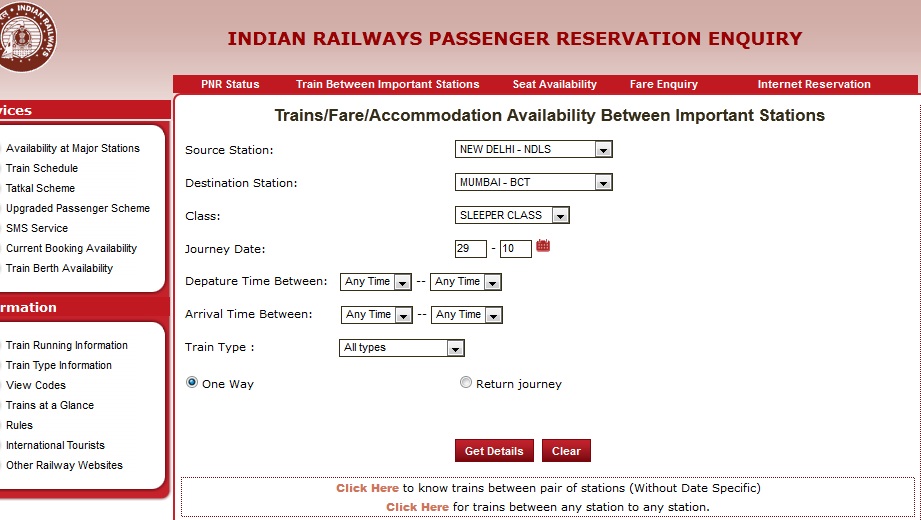
Apart from facilities like booking tickets online or checking Indian rail pnr status online or on mobile, there should also be development of railway stations, signaling system and easy telecommunications. The railway tracks should be repaired properly to avoid accidents. By doing all these things, Indian railway can regain its lost pride. Indians will be happy to have a journey by train. They will take pride in telling their rail stories and the lovely moments they have experienced in their journey.